HOW TO USE IT
About the bingo card generator
This bingo card generator makes 1 to 30 cards at once, and no two cards in a set share the same squares, so two players never hold identical cards. Each set has a number. Type the same number again later and you get exactly the same cards, which makes it easy to reprint a lost card or print a matching set for a second room.
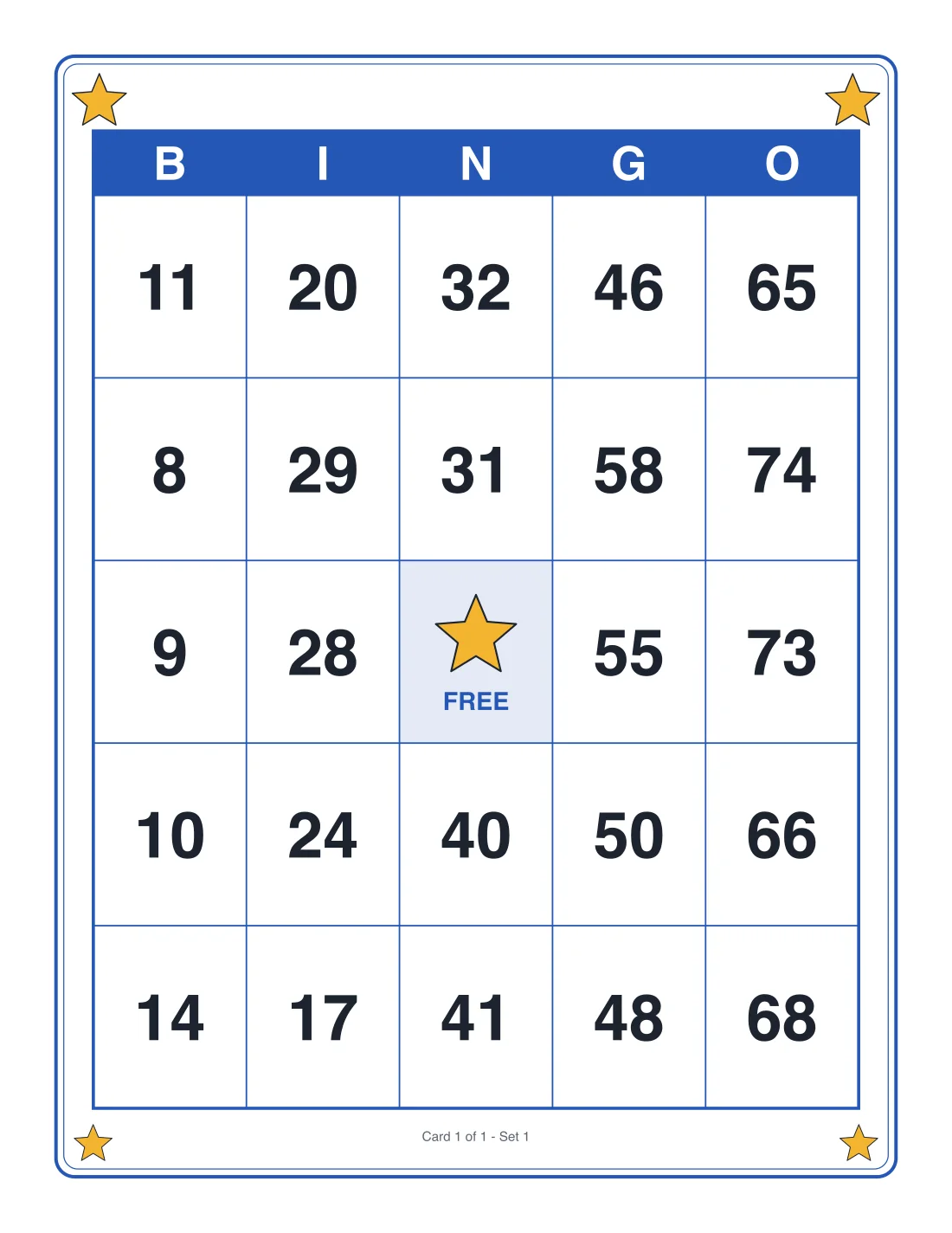
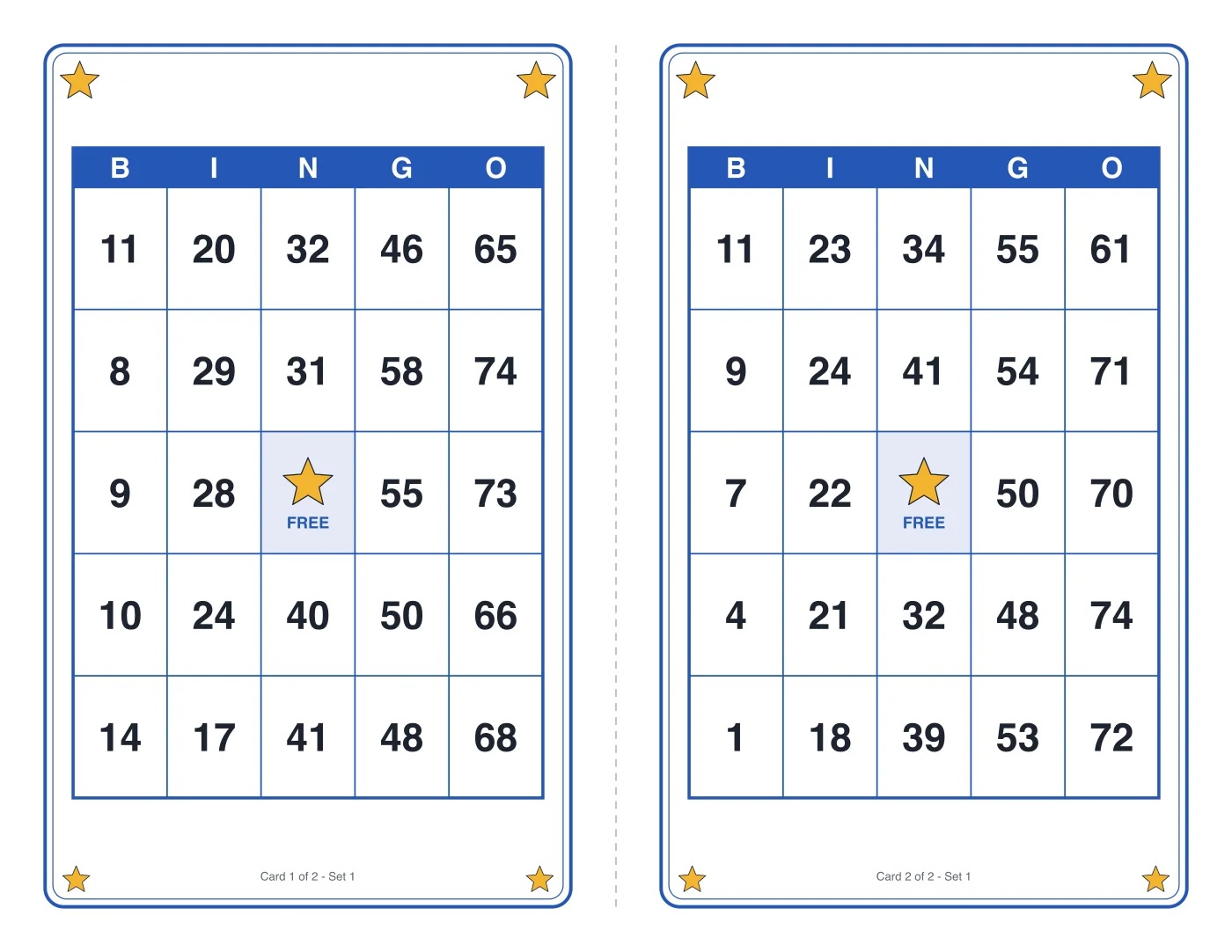
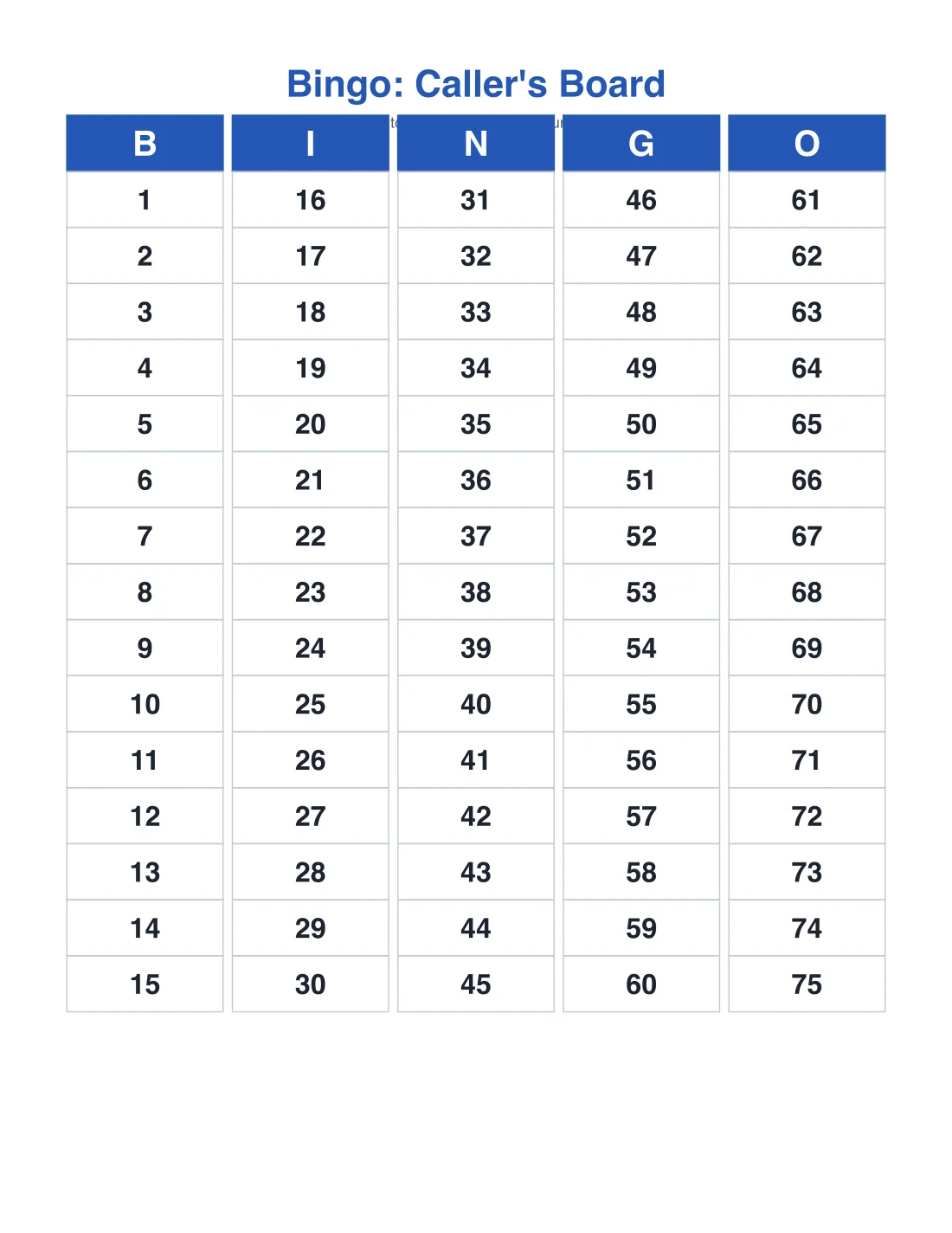
For classic bingo, choose Numbers 1-75. Each card follows the standard American layout: the B column holds 1 to 15, I holds 16 to 30, N 31 to 45, G 46 to 60 and O 61 to 75, with a free space in the middle. The caller gets a numbers board to cross off and calling cards from B 1 to O 75 to draw from a bowl.
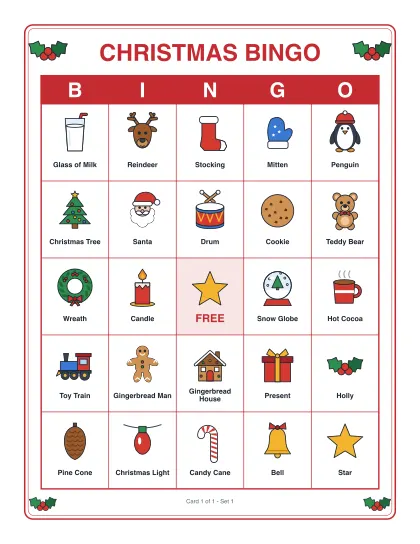
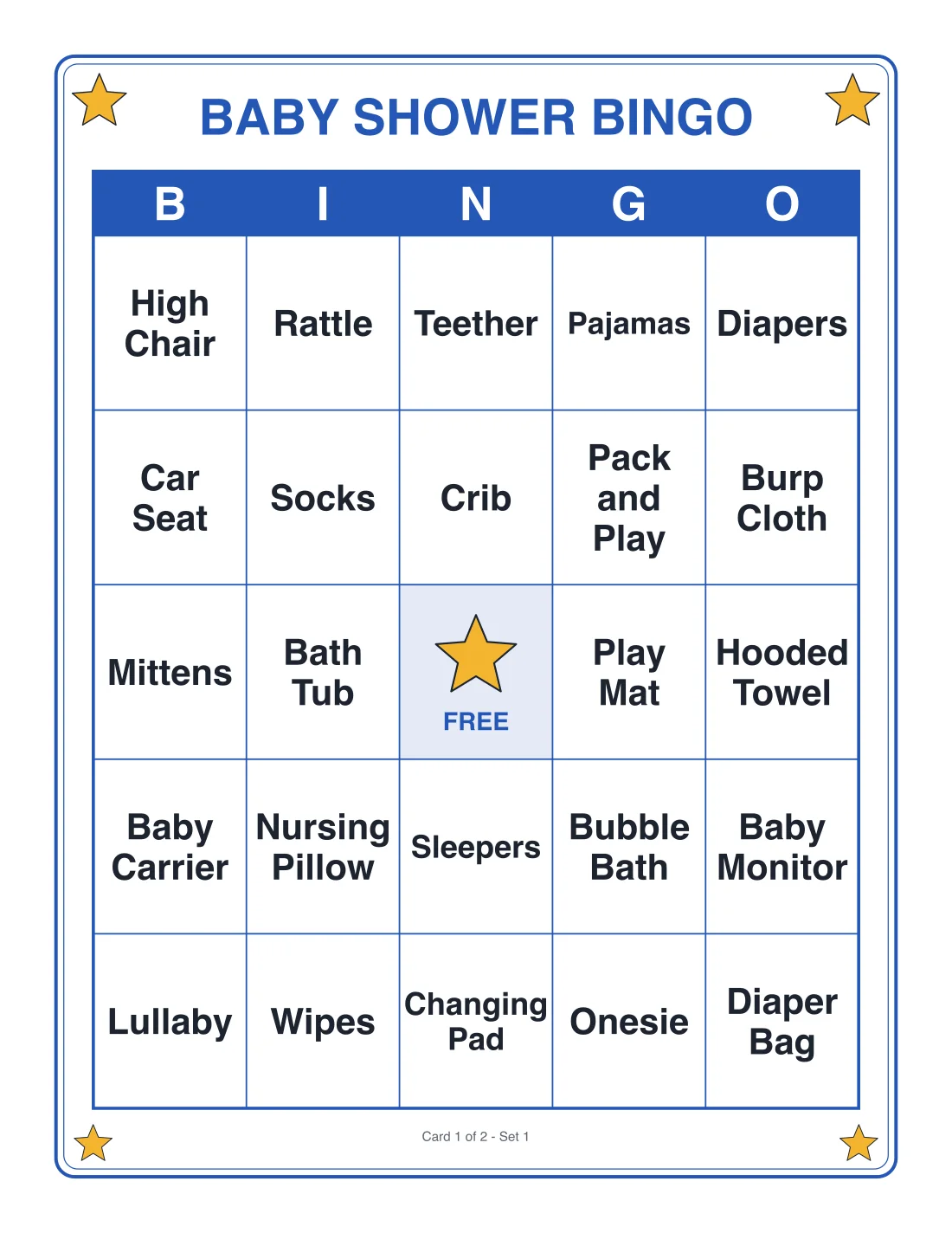
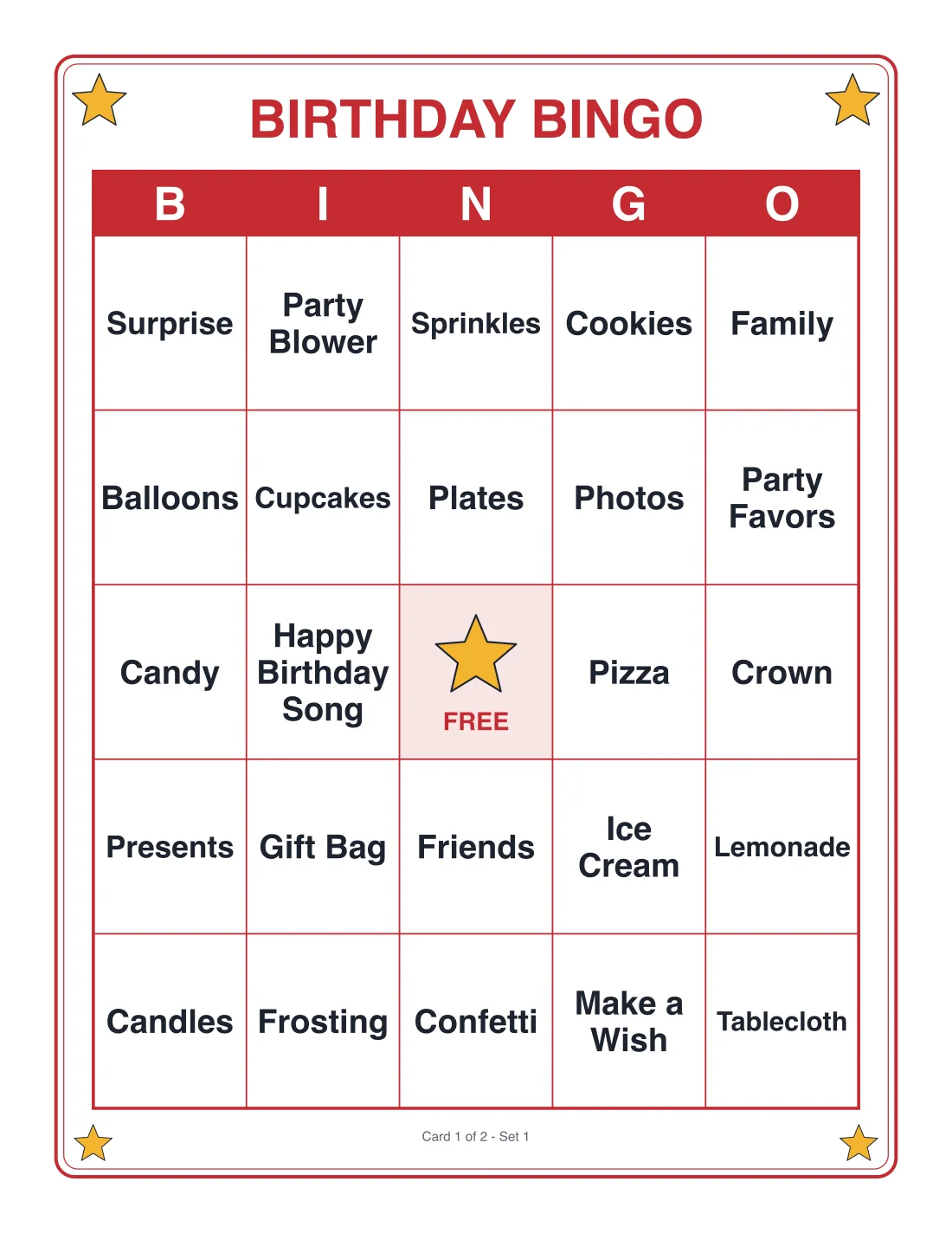
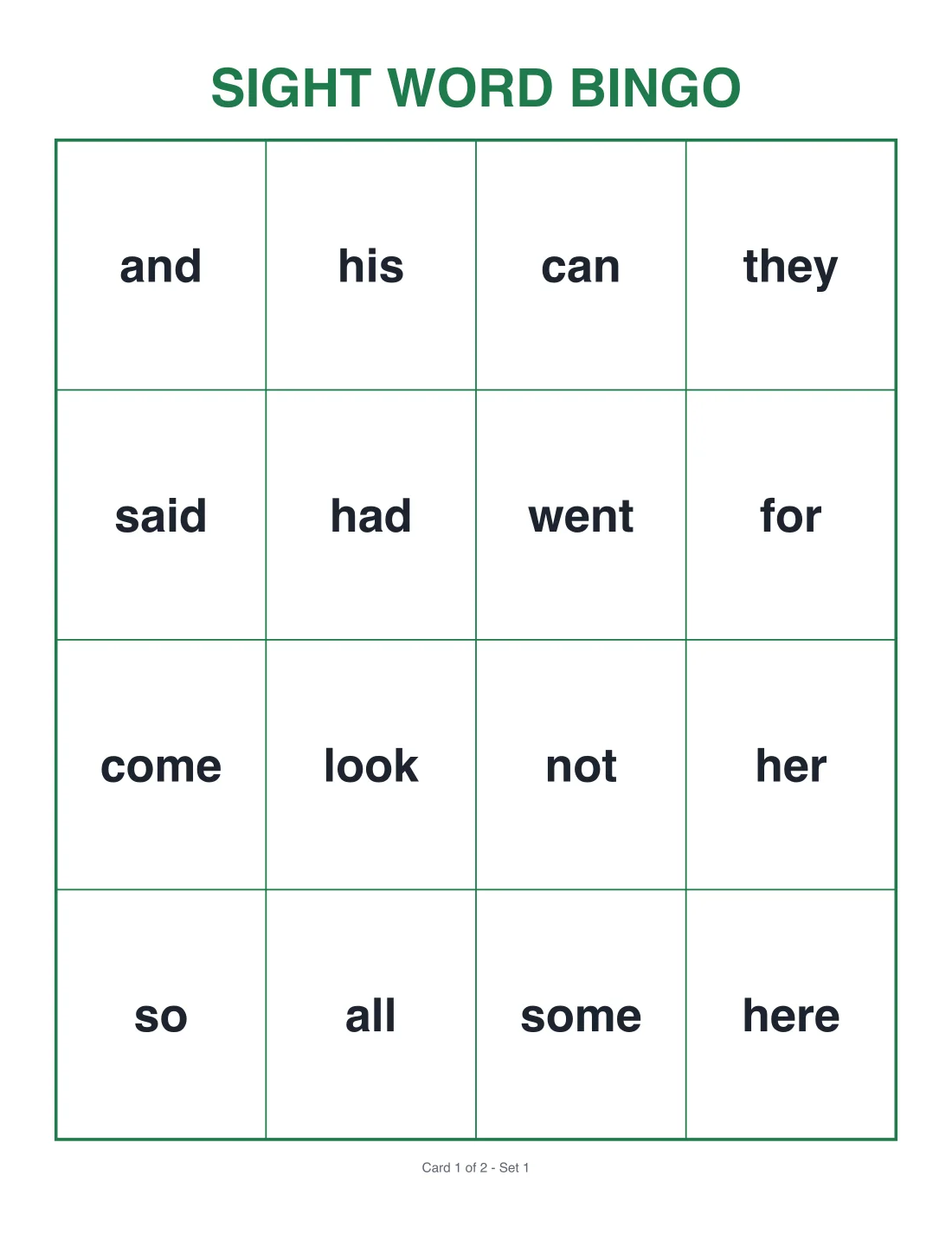
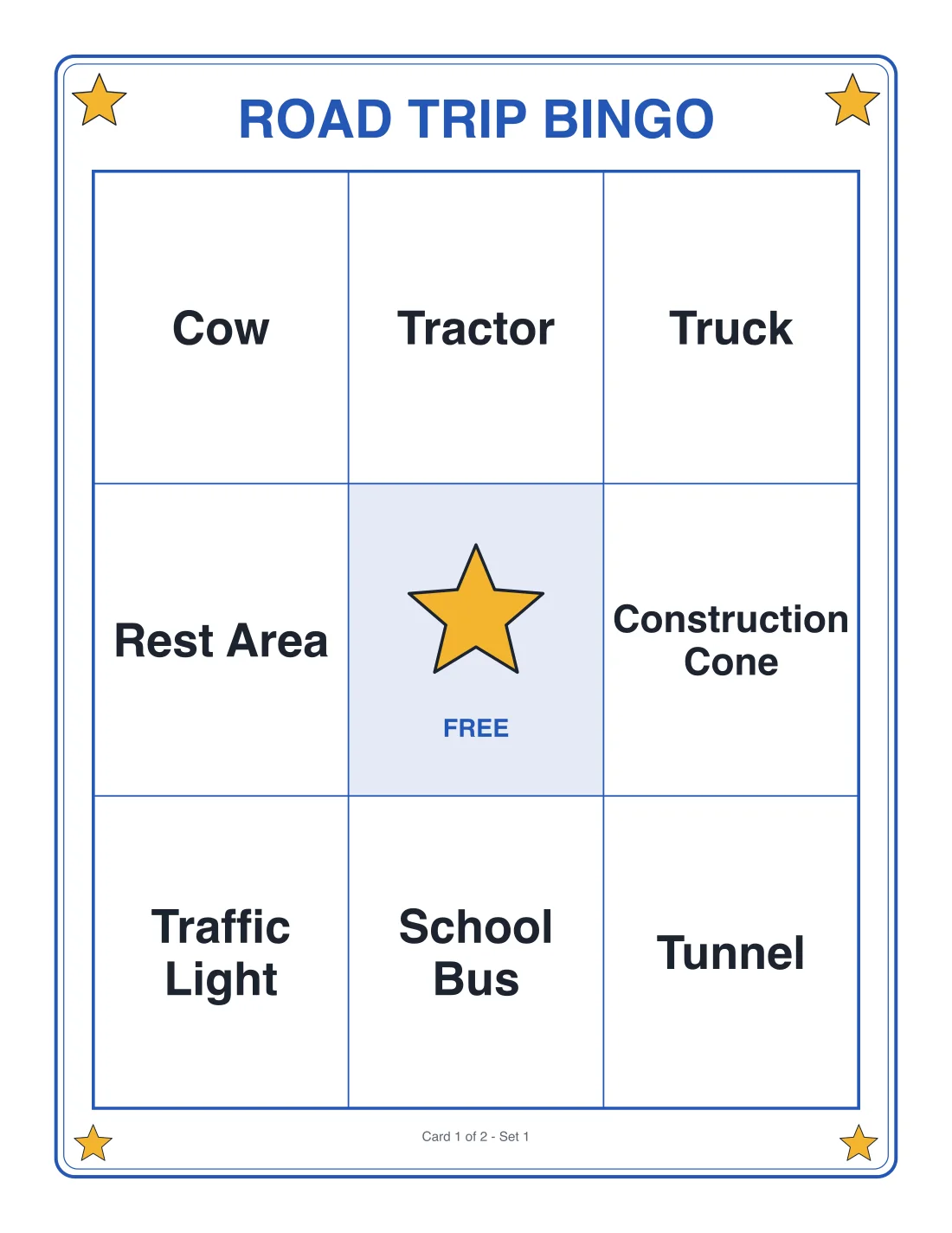
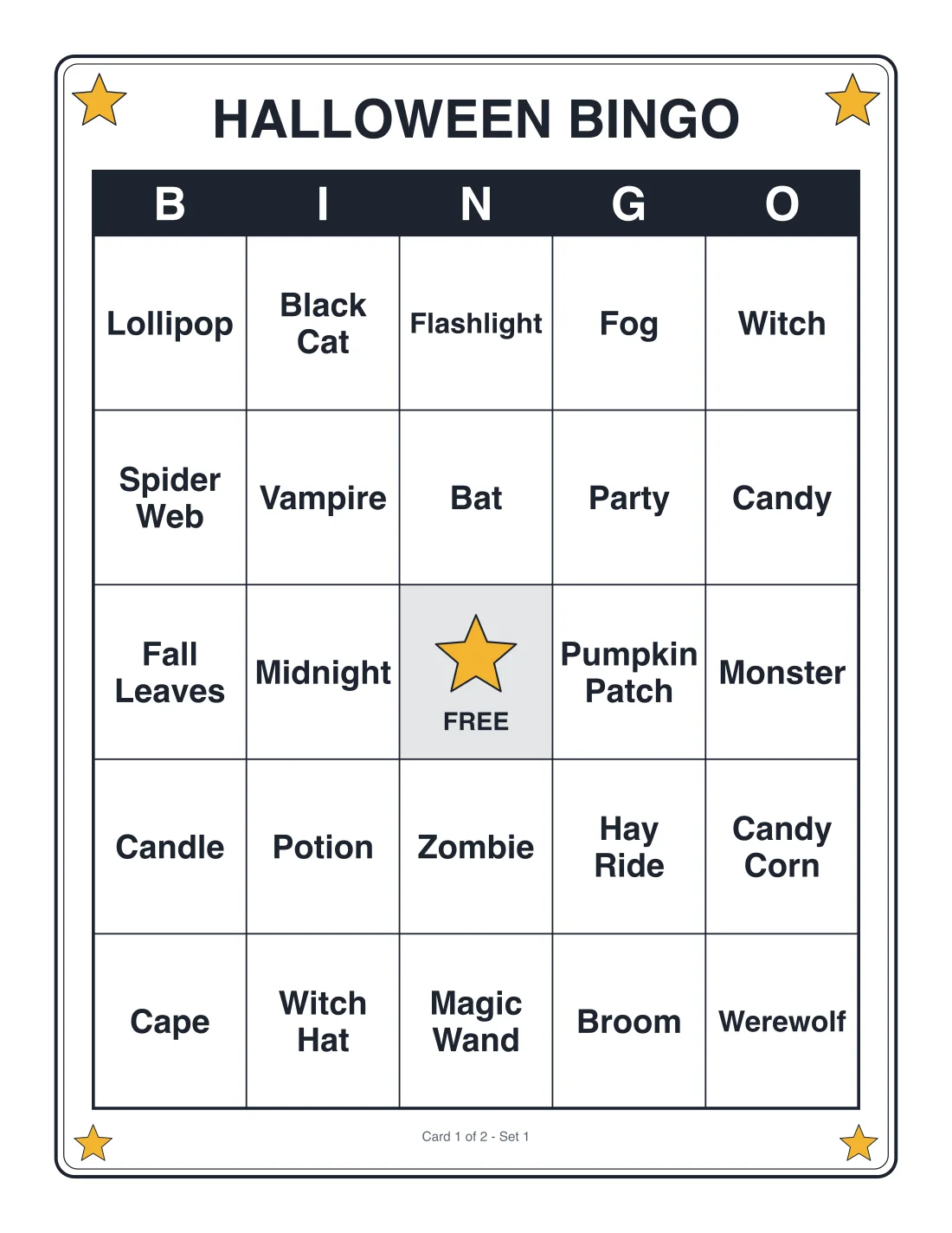
For word bingo, pick a theme or type your own words, one per line. The themes cover baby showers, bridal showers, birthday parties, sight words for the classroom, a "find someone who" icebreaker, road trips, numbers 1 to 30 for young kids and the holidays: Valentine's Day, Easter, Halloween, Thanksgiving and Christmas. Every list can be edited, so you can swap in names, inside jokes or this week's spelling words.
How to print your bingo card generator
1. Choose numbers, a theme or your own words
Pick Numbers 1-75 for classic bingo, one of the word themes, or "My own words" and type your list, one entry per line.
2. Set the grid and the number of cards
Choose 5 x 5, 4 x 4 or 3 x 3, keep or remove the free space, and slide to the number of players, up to 30.
3. Pick the look
Choose one or two cards per page, a border with stars or a simple style, a color or black and white, and add a title if you like.
4. Download and play
Download the PDF, which includes every card plus the caller sheet and calling cards, and print it on Letter or A4 paper.
How to play bingo
- Give every player a card and something to mark squares with: a marker, a dauber, coins, beans or candy.
- The caller draws a calling card (or picks from the caller sheet), reads it out and ticks it off.
- Players mark the matching square if it is on their card. The free space counts as already marked.
- The first player to complete a row, a column or a diagonal shouts "Bingo!" The caller checks the card against the called list.
- For a longer game, play blackout: the winner is the first player to mark every square on the card.
Grid sizes and how many words you need
Word cards draw their squares from your list, so the list needs at least as many entries as the card has squares. A few more than that makes the cards differ more and the game last longer.
| Grid | Squares to fill | Words needed | Best for |
|---|---|---|---|
| 5 x 5 with free space | 24 | 24, ideally 30 or more | Adults, parties, classic bingo |
| 5 x 5 without free space | 25 | 25, ideally 31 or more | Longer games |
| 4 x 4 | 16 | 16, ideally 22 or more | Classrooms, shorter games |
| 3 x 3 with free space | 8 | 8, ideally 14 or more | Preschool, picture and sight words |
Bingo ideas for every occasion
- Baby shower: guests mark gifts as the parent opens them, and the first bingo wins a small prize.
- Bridal shower: the same game with kitchen and home gifts, or swap in facts about the couple.
- Classroom: sight words, spelling words, vocabulary, math facts with the answers on the card, or state capitals.
- Icebreaker: with "find someone who" cards, players get a signature for each square from a different person.
- Road trip: kids mark things they spot out the window, like a red car, a bridge or a cow.
- Senior centers and fundraisers: classic 1-75 number bingo with large numbers, printed one card per page.
Printing tips
One card per page gives large squares that are easy to read; two cards per page saves paper and fits a half sheet. Print on cardstock or slip the cards into sheet protectors and use dry-erase markers to play again and again. Turn on black and white to save colored ink. Keep a note of the set number so you can print the same cards next time, or press "New cards" for a fresh set.