HOW TO USE IT
About the graph paper
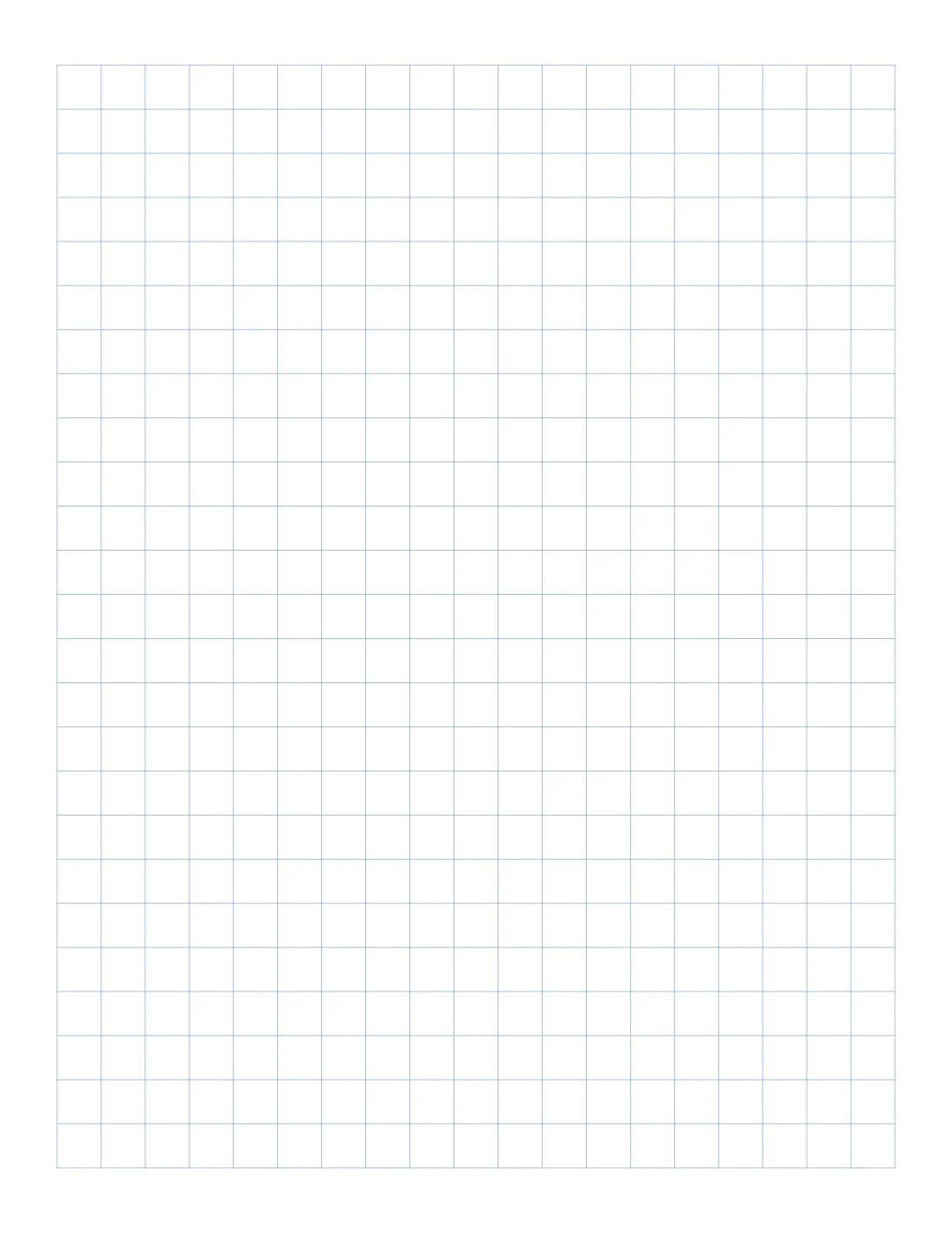
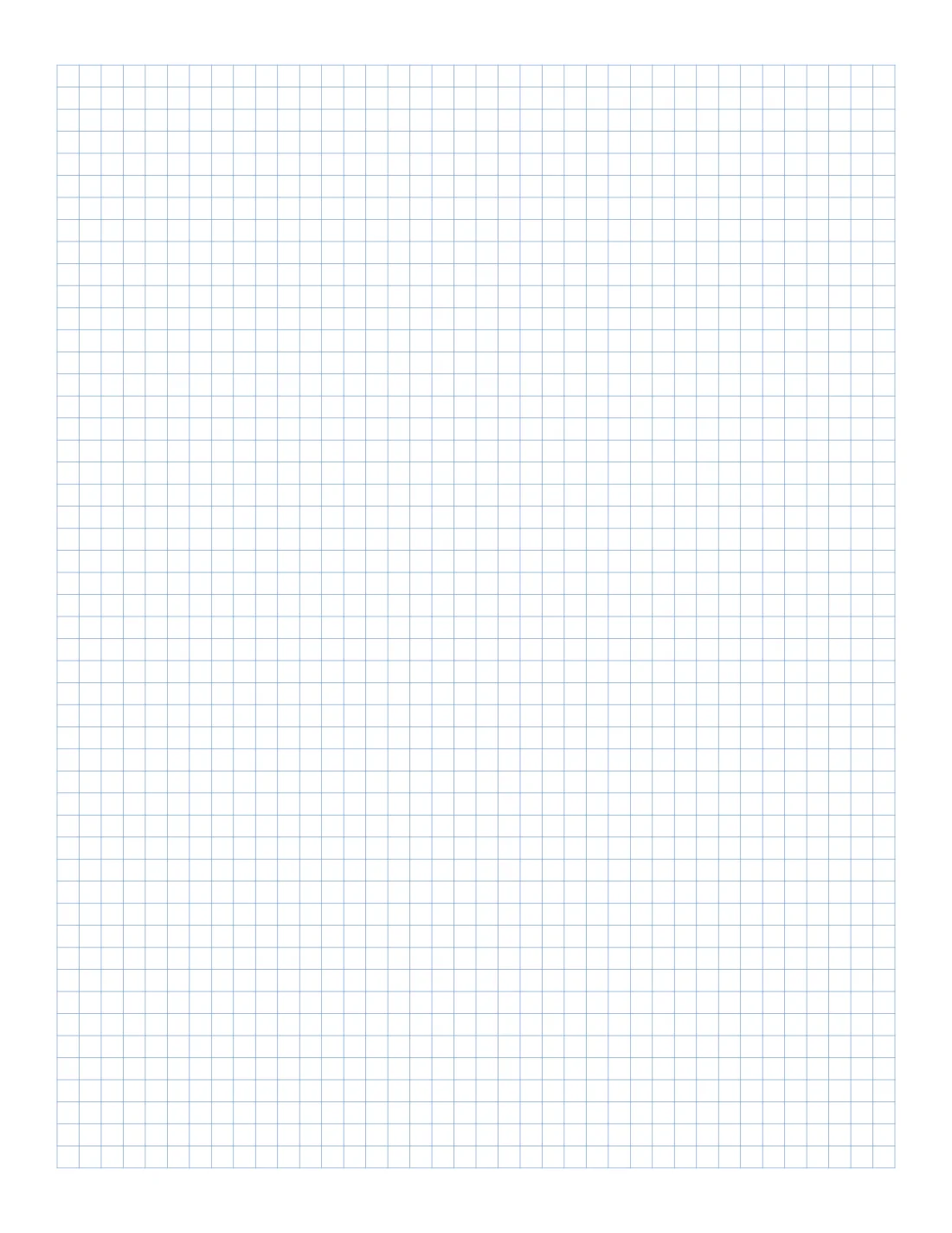
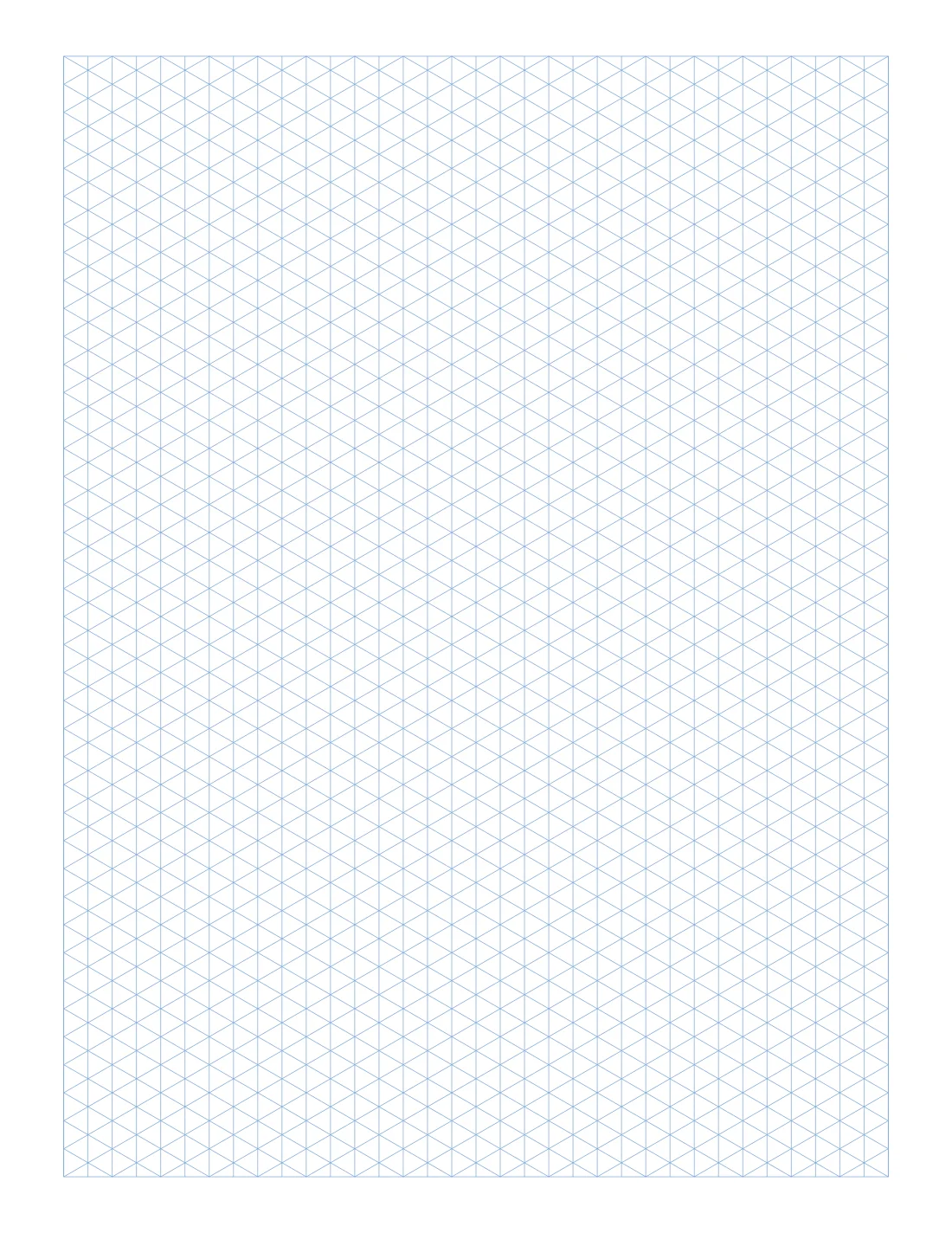
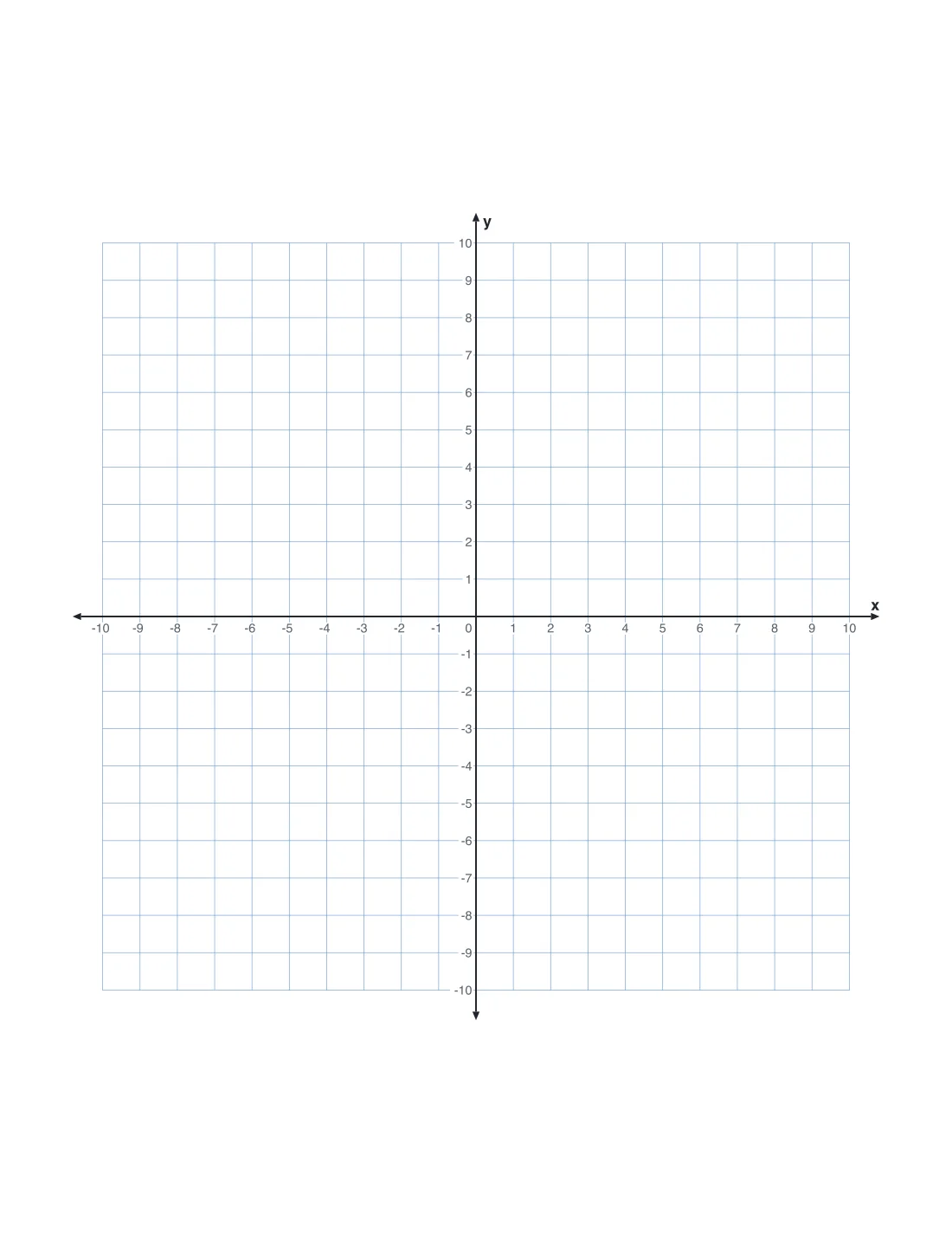
This printable graph paper covers the eight grids people ask for most: four inch grids (1/4, 1/5, 1/2 and 1 inch), two metric grids (1 cm and 5 mm), isometric paper with an equilateral triangle grid, and a coordinate plane with numbered x and y axes.
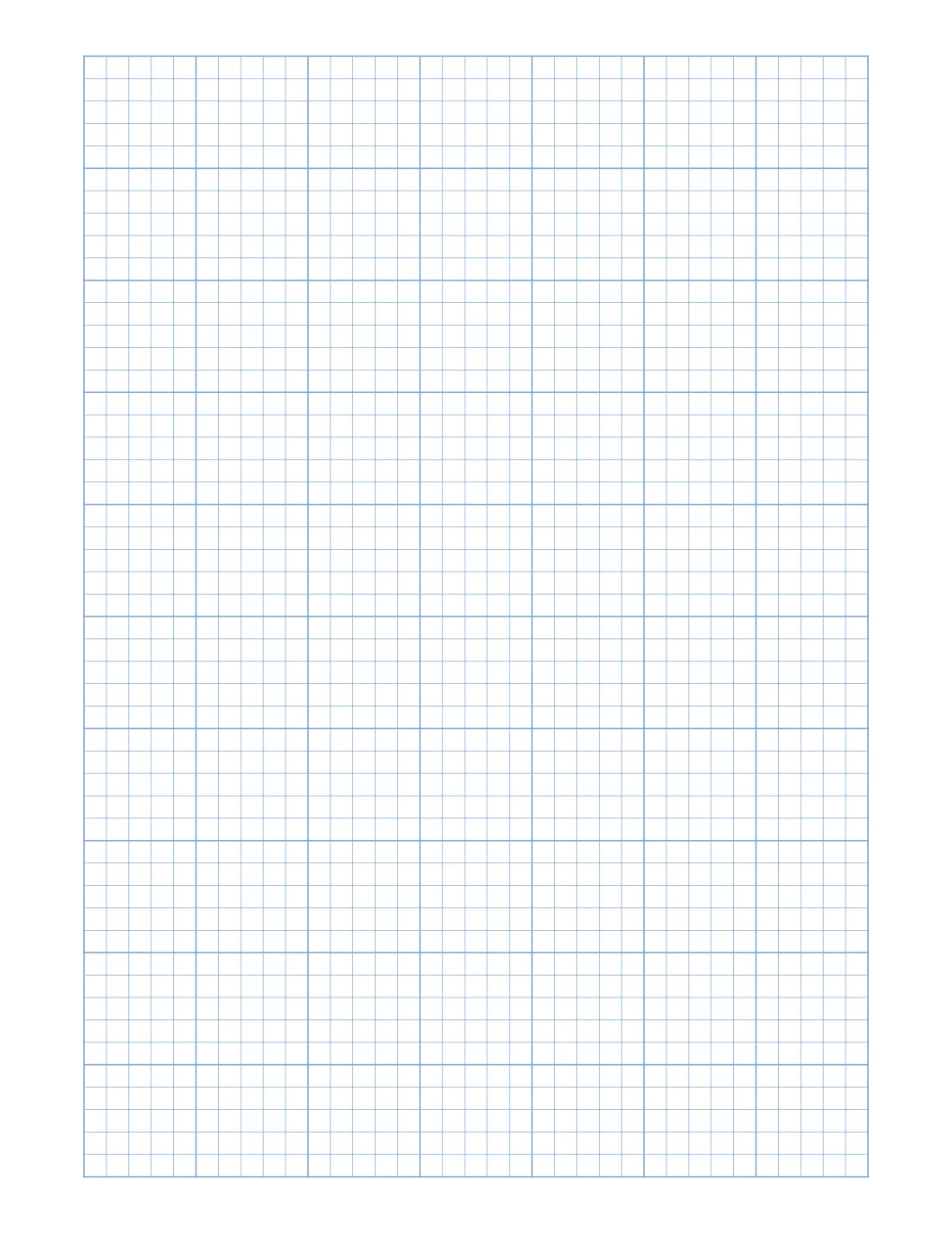
Choose a grid, pick US Letter or A4 and portrait or landscape, and set the margin and line color. On the finer grids you can add a heavier line every inch or every centimeter so you can count squares at a glance. The live preview shows exactly what prints, and the PDF keeps the lines razor sharp at any printer resolution.
Each grid is drawn in true units and centered on the sheet with only whole squares, so a 1/4 inch square measures 1/4 inch and a 1 cm square measures 1 cm on paper.
How to print your graph paper
1. Pick a grid
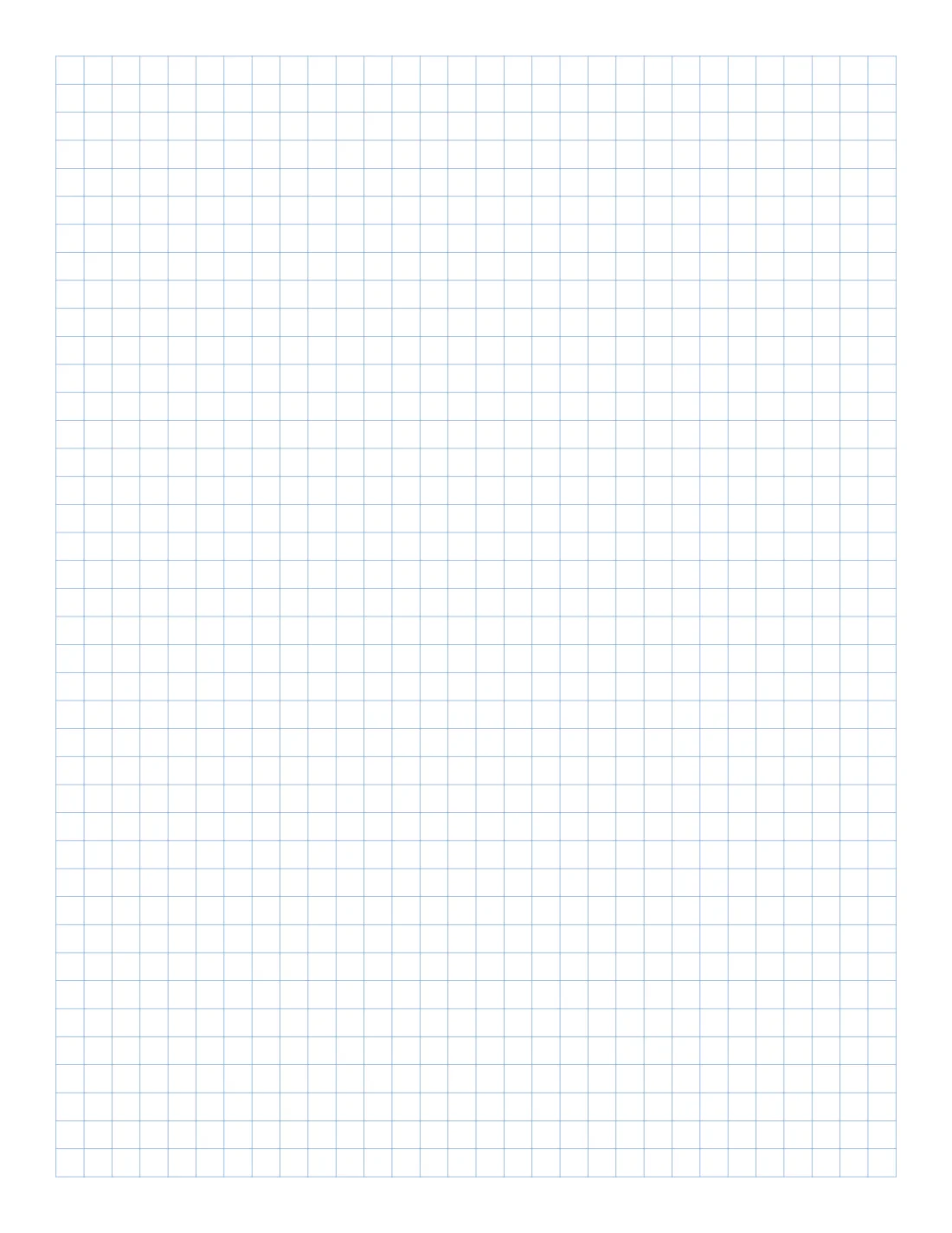
Choose 1/4 inch for everyday math and drawing, 1/5 inch for engineering, 1/2 or 1 inch for young students and big projects, 1 cm or 5 mm for metric work, isometric for 3D sketches, or the coordinate plane for graphing.
2. Adjust the sheet
Set the paper size, orientation, margin and line color. Turn on heavier inch lines, isometric dots, four coordinate planes per page or a name and date line if you need them.
3. Download or print
Download the PDF or a PNG after the short countdown, or press Print to send the sheet to your printer directly.
4. Print at 100% and check
Choose "Actual size" or 100% scale in the print dialog, then measure four 1/4 inch squares with a ruler. They should cover exactly one inch.
Graph paper sizes explained
Graph paper is named by the size of one square, or by how many squares fit in an inch. The table shows every grid on this page with the number of whole squares that fit on a US Letter sheet (8.5 x 11 in) and an A4 sheet with the standard 1/2 inch margin and no name line.
| Grid | Square size | Squares on Letter | Squares on A4 | Good for |
|---|---|---|---|---|
| 1/4 inch | 6.35 mm, 4 per inch | 30 x 40 | 29 x 42 | Math homework, algebra, floor plans |
| 1/5 inch | 5.08 mm, 5 per inch | 37 x 50 | 36 x 53 | Engineering, physics, data plots |
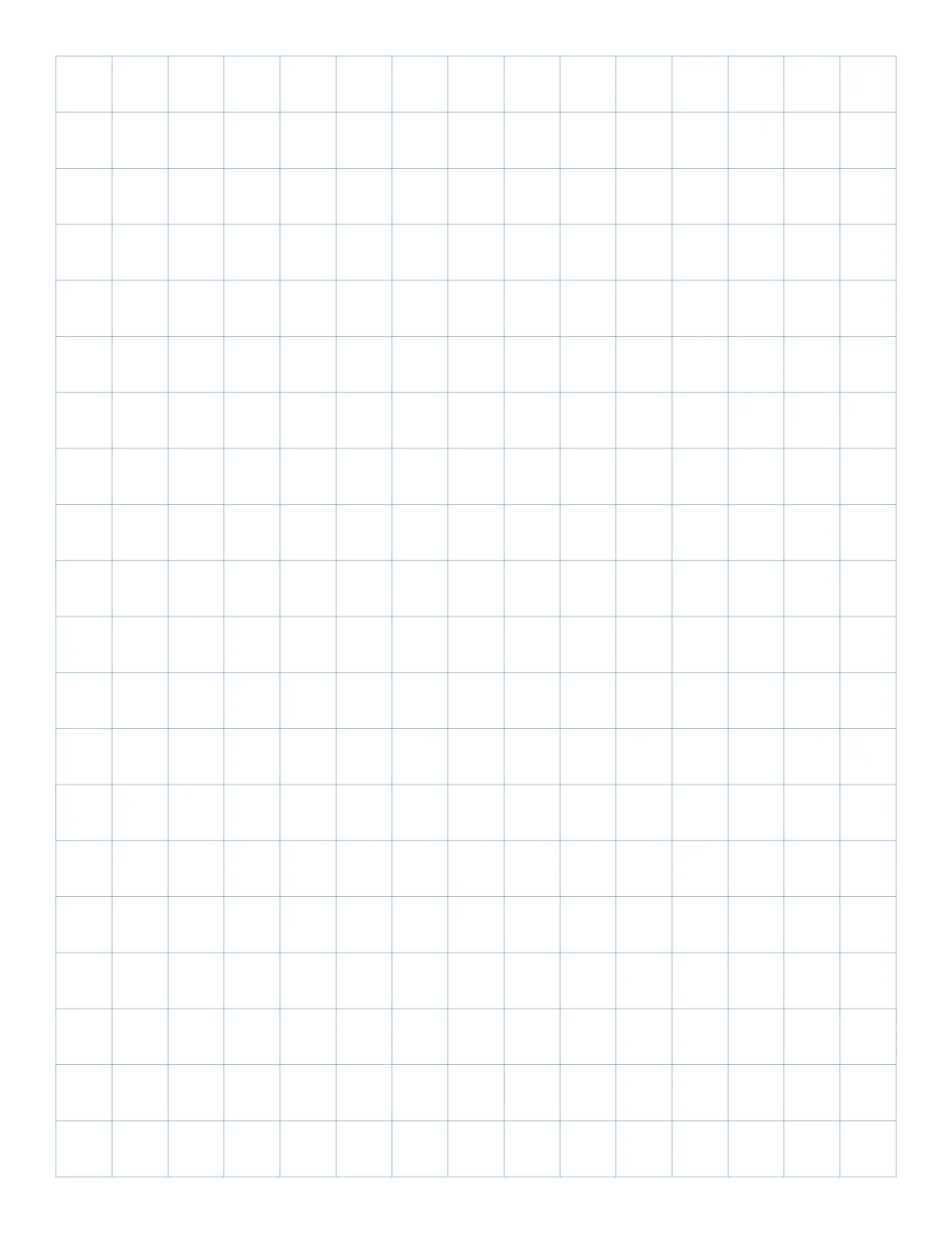
| 1/2 inch | 12.7 mm, 2 per inch | 15 x 20 | 14 x 21 | Elementary math, large handwriting |
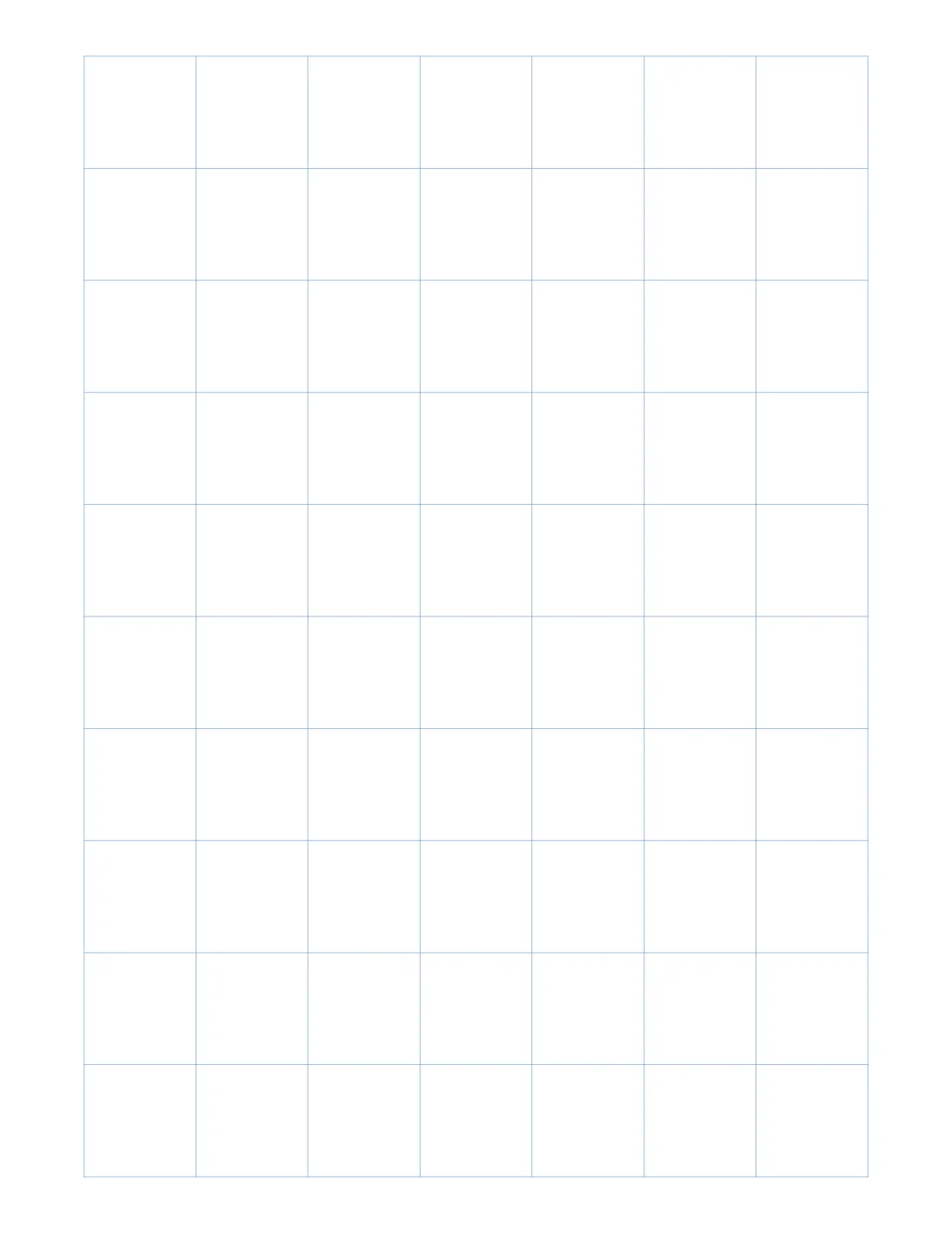
| 1 inch | 25.4 mm | 7 x 10 | 7 x 10 | Games, quilting, big pixel art |
| 1 cm | 10 mm, about 0.39 in | 19 x 25 | 18 x 27 | Metric math, area and perimeter |
| 5 mm | About 0.2 in | 38 x 50 | 36 x 54 | Lab notebooks, science, bullet journals |
| Isometric | 1/4 in triangle sides | Full page | Full page | 3D drawing, technical sketches |
| Coordinate plane | -10 to 10 on both axes | 1 or 4 planes | 1 or 4 planes | Plotting points, graphing lines |
Which graph paper to use
- 1/4 inch graph paper is the standard grid in US schools. It is the right size for algebra graphs, geometry constructions, and floor plans at the common 1/4 inch to 1 foot scale.
- 1/5 inch graph paper, also called engineering paper, makes decimal scales easy because five squares make an inch. Turn on the inch lines for the classic engineering look.
- 1/2 inch and 1 inch grids give younger students room to line up digits in addition and multiplication problems, and are popular for board game maps, cross-stitch charts and quilt layouts.
- 1 cm graph paper matches centimeter cubes and metric rulers, which makes it the usual choice for area, perimeter and base-ten activities.
- 5 mm graph paper is the fine metric grid used in science classes and lab notebooks, and it works well for planners and journals.
- Isometric paper has lines at 30, 90 and 150 degrees, so cubes and boxes drawn on it look three-dimensional. Switch to dots for a lighter guide.
- The coordinate plane sheet has bold x and y axes with arrows and numbers from -10 to 10. Print one large plane for detailed graphs or four smaller planes for a worksheet.
Tips for printing graph paper that measures correctly
- Always print at "Actual size" or 100%. "Fit to page" or "Shrink oversized pages" scales the grid down by a few percent.
- The margin setting keeps the grid away from the edge your printer cannot reach. Most printers handle 1/4 inch; choose 1/2 inch if your printer cuts off lines.
- Light blue and gray grids use little ink and fade into the background behind pencil marks, while black grids photocopy best.
- For drafting and quilting, print on heavier 24 lb or 28 lb paper so the sheet stays flat when you erase.
- Need a stack? Print the PDF once and set the number of copies in the print dialog.